Best Left-Handed Belly Putters for Precise Greens
When choosing a left-handed belly putter, look for stability, a comfortable alignment, and a design that promotes a smooth, controlled roll. This guide highlights five top options that are well-suited for different buyers, from weekend hobbyists to improving players seeking consistent distance control. The list includes mallet and blade styles, with attributes designed to help with alignment, momentum, and feel on the green.
Quick reference table
| Product | Type | Best for | Key Benefit |
|---|---|---|---|
| Face-On Mallet | Long-range stability on straight putts | Large head, 303 stainless steel | |
| Face-On Mallet | High MOI believers wanting weight balance | Weight 390g, 303 stainless steel | |
| Long Belly | Players seeking simple lines and consistent distance | 360g heel-toe weighted design | |
| Mallet | Forgiveness on off-center hits | High MOI with rear weighting | |
| Blade | Beginners to intermediates needing precise grooves | Notched grooves and balanced weight |
Bell III 365 Left Hand Face-On No-Anchor Belly Long Putter
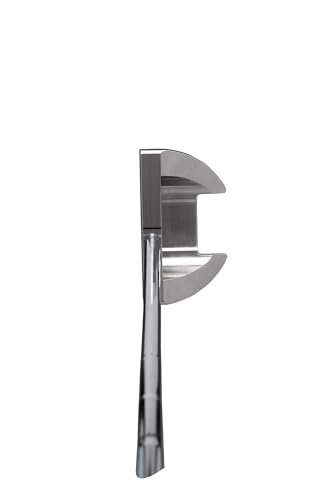
Type: Mallet, Face-On; Material: 303 stainless steel; Putter head style: Mallet with cavity back. This bell-shaped face-on design emphasizes a stable stroke with a longer alignment line, making it suitable for players who prefer a straight-back, straight-through motion. Best for left-handed players who want a polished, low-glare finish on a large sweet spot.
Best for: Players seeking a large, stable alignment area and a premium feel on longer, straight putts. This model favors golfers who prioritize forgiveness through a roomy head and consistent roll. Limitation: No-Anchor style requires a standard stroke without anchoring, which may not suit players who rely on anchor-based techniques.
Bell IV 390 Left Hand Face-On Belly Long Putter

Type: Mallet, Weight: 390g; Material: 303 stainless steel; Head weight paired with a face-on mallet design aims to deliver a steady pendulum stroke. This option is particularly compelling for those who want a heavier feel at impact and improved inertia to reduce mis-hits.
Best for: Players who appreciate higher mass for a smoother, damped stroke and improved distance control. Limitation: The heavier head may require a warmer tempo for some players to maintain rhythm.
Bell 360 Long No-Anchor Belly Putter Matte Finish
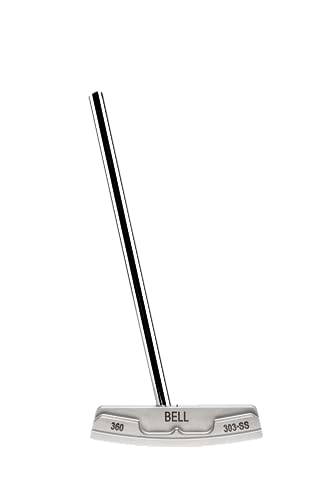
Type: Belly putter; Design: Heel-toe weighted cavity back with a 360g head; Finish: Matte. The longer belly style offers a straightforward address and a stable swing arc, making it a strong pick for players who want a simple setup without anchoring. Best for mid-range stroke players who want reliable distance control.
Best for: Golfers who prefer a straightforward setup with a focus on consistency. Limitation: May lack some of the perimeter-weighting feel found in other mallets for extreme off-center hits.
Orlimar F80 Mallet Putter, Left Handed 34″
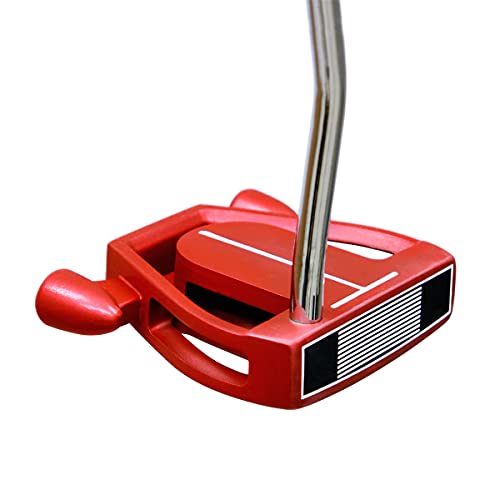
Type: Mallet; Hand: Left; Length: 34 inches; Design aspects: Extreme forgiveness with rear heel and toe weighting. The high-MOI mallet is designed to reduce twist on off-center strikes, promoting a more forgiving roll. The soft face insert adds a muted impact sound and a consistent feel at impact.
Best for: Players who struggle with off-center mis-hits and want a forgiving mallet with a balanced feel. Limitation: The 34″ length may not fit every golfer’s preferred grip style, so check reach and posture before purchase.
PGM Golf Putter – Left-Handed 34″

Type: Blade; Notched groove design; Length: 34 inches; Weight: Head 350g, Shaft 113g. This blade putter emphasizes precise groove interaction with the ball to promote a stable roll. The notched surface and balanced weight are geared toward players who prefer a cleaner, more direct stroke with a focus on controllable distance.
Best for: Beginners to intermediate players who want a precise stroke with enhanced feedback. Limitation: Blade designs typically offer less perimeter forgiveness than mallets, so accuracy matters more in setup and stroke.
Ray Cook SR500 Putter

Type: Mallet; Handedness: Left; Length: 35 inches; Finish: Red accents. The Ray SR500 is designed to offer dependable alignment and a forgiving feel for practice and play. While the listing notes “See below for description,” the overall design emphasizes a straightforward approach to alignment and stroke consistency.
Best for: Left-handed golfers seeking a ready-to-play mallet with forgiving geometry. Limitation: Some players may prefer more weight distribution or a different head shape for specific stroke preferences.
Buying Guide
What should I consider when choosing a left-handed belly putter?
Key factors include head size and shape, MOI (moment of inertia), weight distribution, length, and feel. Mallet heads generally offer higher MOI, aiding stability, while blade designs emphasize precision and feedback. Longer belly putters can improve alignment for some players, but require proper posture and tempo.
How does weight affect performance?
Heavier putters tend to resist twisting on off-center hits, promoting a smoother stroke. Lighter models may offer quicker tempo but can be less forgiving. Choose a weight that matches your tempo and distance control needs.
What about alignment features?
Alignment aids such as sightlines, contrasting finishes, and cavity-back designs help line up shots. If you struggle with consistent setup, prioritize putters with clear alignment cues and a stable face.
Length and posture considerations
34″ to 35″ models suit many players, but your personal height, arm length, and posture determine the best length. A proper length helps maintain a straight back and comfortable eye position over the ball.
Material and feel
Stainless steel heads provide durability and a solid feel. Soft inserts can improve feedback and reduce impact harshness, while heavier heads enhance inertia for a smoother stroke. Consider the feel that matches your preferred feedback on center hits.
Which options are best for beginners vs. advanced players?
Beginners often benefit from mallet designs with high MOI and forgiving balance. Advanced players may prefer blade or low-profile mallets for direct feedback and precise distance control. Always match the club to your stroke style and practice routine.
FAQ
- Do left-handed belly putters require a specific stroke? They work with straight-back/straight-through strokes but can accommodate slight arc depending on head shape. Practice helps identify the best alignment.
- Is a heavier belly putter better for beginners? Heavier putters offer stability and reduce twisting, which can help beginners develop a smooth tempo.
- Can I switch between blade and mallet belly putters? Yes, but expect adjustments in alignment and feel. Try both to determine which suits your rhythm.
- What length should a belly putter be? Common lengths range from 34″ to 35″, but the best length depends on posture, stance width, and grip style.
- Are there risks with no-anchor belly putters? No-anchor models follow standard stroke rules; ensure your method conforms to current rules and personal technique.
- Which material offers the best balance of feel and durability? Stainless steel with a soft insert tends to balance feel, consistency, and durability for most players.